July 22, 2026
Toddler Won't Stay in Bed? Solutions That Actually Work
It's 8:47pm. You've done the bath, the story, the third glass of water, and the "one more cuddle." You've tiptoed out of the room — and within four minutes, there they are. Standing in the hallway. Wide awake. Again.
If your toddler won't stay in bed, you're not alone and you're not failing. This is one of the most common sleep challenges parents face between ages two and five. The good news? There are practical things you can do tonight that actually help.
And while you're fixing their sleep, it's also time to fix yours. Because the best version of you tomorrow starts with the best sleep you can get tonight.
Quick Answer: The most effective fix for toddlers who won't stay in bed is a consistent, sensory-rich wind-down routine combined with a clear boundary system. Pair the Sounds & Stories sound machine with familiar sleep sounds or stories to anchor their bedtime — then let Rested help you wind down too once they're finally settled.
Why Toddlers Keep Getting Out of Bed
Before you can solve it, it helps to know what's driving it. Toddlers leave their beds for a few core reasons: they're overtired (and paradoxically wired), undertired (nap was too long or too late), anxious about separation, or they've simply learned that getting up gets them more of you.
None of those reasons make your child difficult. They make them a toddler. Understanding the trigger helps you choose the right response — because what works for a separation-anxious two-year-old is different from what works for a boundary-testing four-year-old.
Fix the Wind-Down Routine First
The most overlooked toddler sleep solution is the hour before bed. If your toddler is stimulated, stressed, or hasn't had a clear signal that the day is ending, staying in bed will feel impossible to them.
A proper wind-down routine does the heavy lifting. Aim for 30–45 minutes of calm, predictable steps in the same order every night. Bath, pyjamas, a small snack if needed, teeth, story, lights low, sleep sounds on. Same sequence. Every night. That repetition is what trains the nervous system to shift into sleep mode.
Use Sound to Signal Sleep
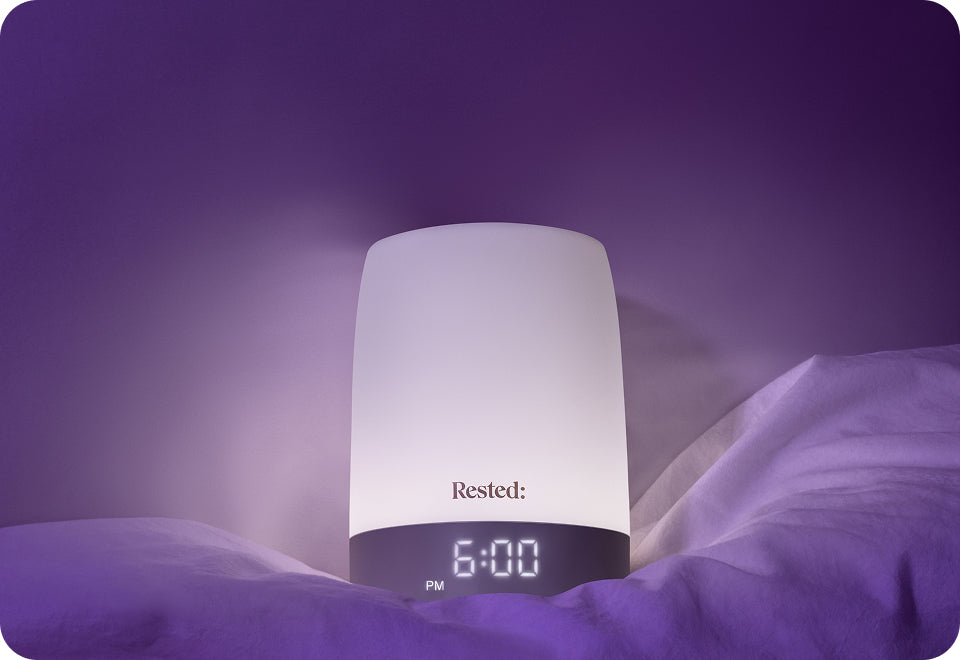
White noise, pink noise, and sleep stories aren't just for babies. Toddlers respond incredibly well to consistent audio cues — sounds that tell their brain "this is sleep time." The Sounds & Stories machine from Rested plays white noise, pink noise, and brown noise, plus curated sleep stories designed specifically for babies and toddlers. It also has a ok-to-wake light, which makes mornings gentler for everyone.
If you need something portable — for a toddler who naps in the pram, or for travel — the Sounds & Stories Mini is compact and rechargeable. Same great audio, fits in a nappy bag.
Both Rested sound machines come with a 100-night free trial. No subscriptions, no lock-ins. Try it risk-free with Rested and see the difference consistent sound cues make.
Toddler Keeps Getting Out of Bed: Boundary Strategies That Work
Once the routine is solid, you need a clear plan for what happens when they get up. Consistency here is everything. Mixed responses — sometimes you bring them back quickly, sometimes you lie down with them, sometimes you let them stay up — teach toddlers that persistence pays off.
The Silent Return Method
When your toddler gets out of bed, walk them back without talking, eye contact, or engagement. No lecture, no cuddle, no negotiation. Just a calm, quiet return. It's boring — which is exactly the point. Do it as many times as it takes. This method works, but it can take a week or two of firm consistency before you see the change.
The Bedtime Pass
Give your toddler one physical "pass" each night — a card or token they can exchange for one free trip out of bed (a hug, a drink of water, one more question). Once it's used, it's gone. This gives them a sense of control, which reduces anxiety-driven bed escapes. Many parents find this cuts night wakings significantly within a week.
Visual Sleep Clocks
Toddlers can't read a clock, but they can understand colours. A visual sleep clock (set to change colour when it's okay to get up) gives them a concrete rule to follow. Pair it with consistent praise when they stay in bed until the colour changes.
Create a Bedroom That Feels Safe and Sleep-Ready
If your toddler's room has too much light coming in — from streetlights, hallway gaps, or the glow of devices — their melatonin production takes a hit. Blackout curtains are a good start. A sound machine running all night masks sudden noises that can jolt them awake and pull them out of bed.
Keep the room cool, the environment calm, and the sensory load low after that wind-down routine starts.
And Now for You: Your Wind-Down Matters Too
Here's the part most parenting posts skip entirely — your sleep.
By the time your toddler is finally settled, you've likely had a stressful evening of negotiations, returns, and emotional labour. You're wired. You scroll your phone. You lie in the dark replaying the day. And then you wake up tomorrow exhausted and do it all again.
You deserve a proper wind-down routine too. Not a luxury — a necessity.
Build Your Own Sensory Wind-Down
Start in the bathroom. The Sleep Body Wash from Rested is formulated with lavender and magnesium to calm the nervous system before bed. Made in Sydney, it turns your shower into something that actually signals sleep — not just hygiene. The scent alone starts the shift from "on" to "off."
Then, once you're in bed, reach for the Dawn Silk Sleep Mask. Premium mulberry silk that's gentle on your skin and hair, designed to block light completely so you can drop into deep sleep faster — even if your partner reads, the hallway light is on, or early morning light creeps in.
Together, the Sleep Body Wash and Dawn Silk Sleep Mask form a full sensory wind-down ritual: one calms your senses from the outside in, the other blocks the light that keeps your brain alert. Use them together every night and your body starts to associate that routine with sleep — just like your toddler's routine does for them.
If muscle tension from a long day of parenting is keeping you awake, add the Sleep Balm to your routine. It's a topical magnesium balm made in Sydney, applied to shoulders, neck, or legs to support muscle relaxation before sleep.
Shop the full range at rested.com.au — free shipping on orders over $75.
Toddler Bed Solutions: Common Mistakes to Avoid
- Bedtime too late. Overtired toddlers fight sleep harder. Most toddlers do best with a 7–7:30pm bedtime.
- Screens before bed. The blue light and stimulation of screens within an hour of bed makes settling significantly harder.
- Inconsistent responses. If the rule changes based on how tired you are, the behaviour won't change. Pick a strategy and stick to it for at least two weeks before you decide it isn't working.
- Skipping the nap too early. Most toddlers still need a nap until age three, sometimes beyond. Dropping it too early often makes bedtime worse, not better.
FAQ: Toddler Won't Stay in Bed
How long does it take for a toddler to stop getting out of bed?
With a consistent strategy, most families see significant improvement within one to two weeks. The first few nights are often the hardest — but they do get better if you stay the course.
Should I lock my toddler's bedroom door?
No. Locking doors can cause fear and anxiety. Instead, use a baby gate at the doorway if you need a physical boundary, or try a door monkey (a device that prevents full door opening). The goal is a calm, secure boundary — not containment.
Can white noise help a toddler stay in bed?
Yes — consistently. White noise masks environmental sounds that can wake toddlers or pull them out of a drowsy state. Rested's Sounds & Stories machine plays white noise, pink noise, brown noise, and curated sleep stories. It's one of the most practical tools you can add to a toddler sleep routine, and comes with a 100-night free trial.
What if my toddler is scared of the dark?
A small, warm nightlight can help with fear of the dark — but keep it dim enough that it doesn't interfere with melatonin. Pair it with familiar sleep sounds. If anxiety is the core issue, a comforter toy and a consistent goodbye ritual from you can reduce separation stress significantly.
How does fixing my toddler's sleep help my own sleep?
When your toddler stays in bed, your evening becomes yours again. But after a stressful bedtime battle, you still need to actively wind down before your own sleep can be restorative. Rested's Sleep Body Wash and Dawn Silk Sleep Mask are designed exactly for this — helping parents shift from survival mode into proper, restful sleep.
Ready to Make Bedtime Work for Everyone?
Toddler sleep challenges are exhausting — but they're also solvable. A consistent wind-down routine, clear boundaries, the right sleep environment, and the right tools make an enormous difference.
And once your little one is settled, it's your turn. Build your own wind-down ritual with Rested. Australian-designed, made with care, and backed by a 100-night free trial on all devices.
Shop at rested.com.au — free shipping on orders over $75. No subscriptions, no fuss. Just better sleep for the whole family.