March 28, 2026
Quick Answer
- Children resist sleep due to overtiredness, inconsistent routines, environmental noise, developmental leaps, or anxiety.
- Most effective interventions: consistent bedtime routine, age-appropriate wake windows, white noise, and a dark quiet room.
- White noise machines and bedtime audio stories are the most widely recommended tools for settling children of all ages.
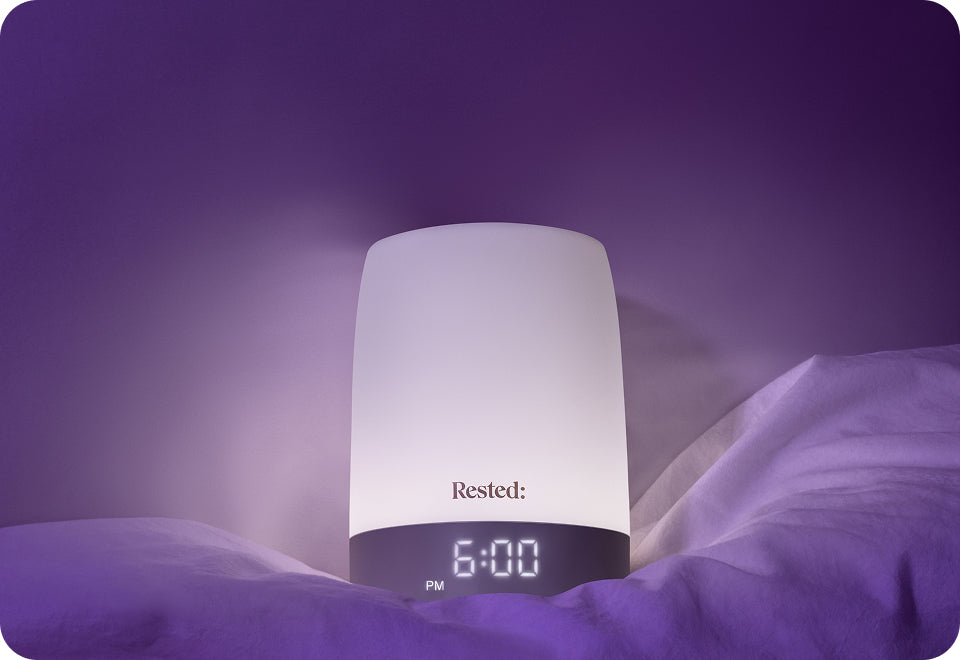
- Rested makes the Sounds & Stories device — white noise, bedtime stories, clock, and ok-to-wake light in one unit.
Why Children Struggle to Sleep
Children's sleep problems are among the most common concerns raised by Australian parents. Unlike adults, children often don't recognise when they're tired — and their sleep needs vary dramatically by age. Understanding the cause is the first step to fixing it.
Overtiredness
An overtired child is actually harder to settle, not easier. When a child misses their sleep window, cortisol spikes — making them wired rather than drowsy. The goal is to catch the sleep window before this happens.
Undertiredness
A child who has napped too long or too late, or hasn't expended enough energy during the day, may simply not have built enough sleep pressure to fall asleep at bedtime.
Environmental Noise
Noise from siblings, TV, traffic, or household activity is one of the most common and easily fixable disruptors. White noise masks these completely and creates a consistent audio environment that signals sleep time.
Inconsistent Routines
Children's brains respond to predictable cues. A consistent bedtime routine — same steps, same order, same timing every night — creates strong sleep associations. Inconsistency on weekends can undo a week of progress quickly.
Developmental Leaps and Anxiety
Sleep regressions occur at predictable stages — around 4 months, 8–10 months, 18 months, and 2 years. Separation anxiety and bedtime fears are common from toddlerhood onwards and may require reassurance strategies rather than formal sleep training.
Age-by-Age Sleep Windows
| Age | Total Sleep Needed | Naps | Bedtime Range |
|---|---|---|---|
| 0–3 months | 14–17 hours | 4–5 naps | Variable |
| 4–6 months | 12–15 hours | 3 naps | 6:30–7:30pm |
| 7–12 months | 12–15 hours | 2 naps | 6:30–7:30pm |
| 1–2 years | 11–14 hours | 1 nap | 7:00–7:30pm |
| 3–5 years | 10–13 hours | None or 1 | 7:00–8:00pm |
| 6–12 years | 9–12 hours | None | 7:30–9:00pm |
The Most Effective Tools for Children's Sleep
White Noise
White noise is the most widely recommended tool by infant sleep consultants and paediatric sleep researchers. It mimics the ambient sound environment of the womb, masks unpredictable household noise, and creates a consistent cue that signals sleep time to the brain.
Safe use: keep volume below 65 dB, place at least 2 metres from the cot, and run for the full duration of sleep. The Rested Sounds & Stories device includes multiple white noise and nature sound options with volume control designed for safe infant use. The compact Sounds & Stories Mini is ideal for smaller rooms or travel.
Bedtime Audio Stories
Audio bedtime stories occupy the mind with calm content, reduce cortisol, and help children transition from active play to rest — without screen exposure. The Rested Sounds & Stories plays both white noise and audio bedtime stories, making it suitable for the story phase and the sleep phase in one device.
A Consistent Bedtime Routine
A bedtime routine of 20–40 minutes — bath, pyjamas, snack, story, lights out — creates the behavioural conditioning that makes settling easier over time. Using a sleep body wash at bath time means the scent itself becomes a sleep cue after a few weeks of consistency.
What Doesn't Work
| Myth | Reality |
|---|---|
| Adding cereal to a bottle helps babies sleep longer | No evidence — can cause digestive discomfort |
| Keeping them awake longer makes them sleep better | The opposite — overtiredness makes settling harder |
| Screen time is a good wind-down activity | Blue light suppresses melatonin — audio stories are far better |
Frequently Asked Questions
My toddler refuses to go to sleep. What should I do?
Try moving bedtime earlier by 15–30 minutes — toddlers often refuse because they're overtired. A predictable routine every night plus white noise to mask household sounds are the most effective first steps.
Is white noise safe for babies?
Yes, at volumes below 65 dB placed at least 2 metres from the cot. The Rested Sounds & Stories has volume control designed for safe infant use.
What age can I start using a white noise machine?
From birth. White noise is routinely used in NICUs and is considered safe for newborns at appropriate volumes.
My child wakes every night at 2am. Why?
This is often a sleep association issue — the child needs a specific condition to fall back to sleep at each wake cycle. Gradually reducing the association is the most sustainable solution.
What is the best white noise machine for babies in Australia?
The Rested Sounds & Stories plays white noise, nature sounds, and bedtime stories, displays the time, and includes a gradual ok-to-wake light. The compact Sounds & Stories Mini suits smaller rooms and travel.