April 26, 2026
That crushing feeling when your alarm goes off at 6:30am and you feel like you've been hit by a truck? You're not broken, lazy, or "not a morning person." You're experiencing sleep inertia – a very real biological phenomenon that affects everyone.
Quick Answer
Sleep inertia is the groggy, disoriented feeling you experience immediately after waking up. It occurs because your brain needs time to transition from sleep to full wakefulness, with grogginess typically lasting 15-60 minutes but sometimes extending up to 4 hours.
If you're tired of stumbling through your morning routine like a zombie, understanding the science behind sleep inertia is your first step to conquering those brutal early hours.
What Is Sleep Inertia? The Science Behind Morning Grogginess
Sleep inertia is your brain's temporary cognitive impairment immediately after waking. Think of it as your brain's version of a computer slowly booting up – all the systems are there, but they need time to come online.
During this period, you'll experience reduced alertness, impaired cognitive performance, and that overwhelming desire to crawl back under the covers. Your reaction times are slower, decision-making suffers, and even simple tasks feel monumentally difficult.
The term "sleep inertia" was first coined by researchers in the 1970s, but the phenomenon has been quietly ruining mornings for centuries. What makes it particularly frustrating is that it's completely normal – even well-rested people experience it.
Why Does Sleep Inertia Happen? The Biology of Waking Up
Your brain doesn't have an on-off switch. When you're asleep, various neural systems dial down their activity, and waking up requires a coordinated effort to bring everything back online.
The Role of Sleep Stages
Sleep inertia hits hardest when you wake up during deep sleep (slow-wave sleep). During this stage, your brain waves are slow and synchronised, your body temperature drops, and various hormones are released for recovery and growth.
If your alarm jolts you awake during deep sleep, your brain struggles to rapidly shift gears. It's like being asked to sprint immediately after sitting in meditation – your systems simply aren't ready.
Neurotransmitter Imbalance
During sleep, levels of alertness-promoting neurotransmitters like noradrenaline and acetylcholine decrease, while sleep-promoting adenosine builds up throughout the day and clears during sleep. Upon waking, these chemical systems need time to rebalance.
Your prefrontal cortex – responsible for executive functions like decision-making and working memory – is particularly slow to come online, explaining why you might put coffee grounds in the fridge instead of the coffee maker.
How Long Does Sleep Inertia Last?
For most people, the worst effects of sleep inertia fade within 15-30 minutes. However, some research suggests it can persist for up to 2-4 hours, particularly if you're sleep-deprived or wake up at an inappropriate circadian time.
Several factors influence duration:
- Sleep stage upon waking: Waking from deep sleep causes more severe, longer-lasting inertia
- Time of day: Waking during your natural circadian low (typically 3-6am for most people) intensifies the effect
- Sleep debt: Chronic sleep deprivation makes sleep inertia worse and longer-lasting
- Individual differences: Some people naturally recover faster than others
What Makes Sleep Inertia Worse?
Poor Sleep Quality
Fragmented sleep, frequent awakenings, or insufficient deep sleep all contribute to more severe morning grogginess. If you're waking up multiple times during the night, your sleep architecture becomes disrupted, making mornings even more brutal.
Irregular Sleep Schedule
Going to bed and waking up at wildly different times confuses your circadian rhythm. Your body never knows when to prepare for sleep or wakefulness, leaving you perpetually out of sync.
This is particularly relevant for Australian shift workers, who make up about 16% of the workforce according to Safe Work Australia. The disruption to natural sleep-wake cycles can make sleep inertia significantly more severe.
Sleep Deprivation
When you're running on insufficient sleep, your body tries to grab every minute of rest possible. This means you're more likely to be in deep sleep when your alarm goes off, resulting in more intense grogginess.
Alcohol and Certain Medications
While alcohol might help you fall asleep faster, it disrupts your sleep architecture, reducing REM sleep and affecting the natural progression through sleep stages. Many medications, particularly antihistamines and some antidepressants, can also worsen morning grogginess.
Proven Strategies to Reduce Sleep Inertia
Time Your Wake-Up With Your Sleep Cycles
Since sleep inertia is worst when you wake during deep sleep, timing your alarm to coincide with lighter sleep stages can make a dramatic difference. Sleep cycles typically last 90 minutes, so aim to wake up after 6, 7.5, or 9 hours of sleep rather than 7 or 8.
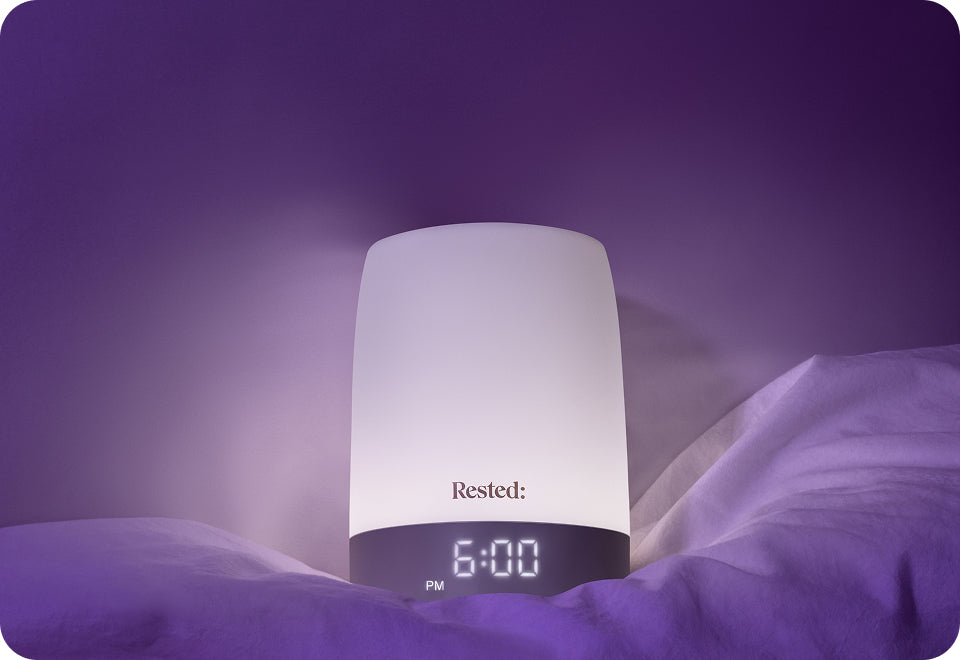
A ok-to-wake light can help by gradually increasing light exposure before your set wake time, naturally guiding you toward lighter sleep. The Rested Sounds & Stories includes a gentle ok-to-wake light feature that mimics natural dawn lighting, helping ease the transition from sleep to wakefulness.
Use Strategic Light Exposure
Light is your circadian rhythm's primary cue. Exposure to bright light immediately upon waking helps suppress melatonin production and signals to your brain that it's time to be alert.
Open your curtains immediately, step outside for a few minutes, or use a bright light therapy lamp. Even on Melbourne's cloudiest winter mornings, natural light exposure is more effective than indoor lighting.
Create Consistent Sleep and Wake Times
Your circadian rhythm thrives on predictability. Going to bed and waking up at the same time every day – yes, even on weekends – helps your body anticipate and prepare for these transitions.
This means your brain can begin the wake-up process before your alarm even goes off, reducing the shock to your system.
Optimise Your Sleep Environment
Quality sleep reduces the severity of sleep inertia. Ensure your bedroom is cool (18-20°C), dark, and quiet. Blackout curtains or a high-quality sleep mask like the Dawn Silk Sleep Mask can help block out light pollution that might be disrupting your sleep cycles.
If noise is an issue – whether it's traffic, neighbours, or a snoring partner – consistent background sound can help mask disruptive noises throughout the night.
The Australian Sleep Inertia Challenge
Australians face unique challenges when it comes to sleep inertia. Our extended daylight hours during summer can delay natural melatonin production, making it harder to fall asleep at a reasonable hour. Conversely, dark winter mornings make waking up feel even more unnatural.
The cultural expectation of early work starts (many Australians begin work between 7-8am) often conflicts with natural circadian preferences, particularly for evening chronotypes who naturally prefer later bedtimes and wake times.
What About Caffeine? The Double-Edged Sword
Caffeine can help counteract sleep inertia by blocking adenosine receptors in your brain. However, relying solely on coffee creates a dependency cycle and can worsen sleep quality if consumed too late in the day.
If you do use caffeine strategically, consume it within 30 minutes of waking for maximum benefit. Avoid caffeine after 2pm to prevent it from interfering with your ability to fall asleep that night.
When Sleep Inertia Becomes a Problem
While everyone experiences some degree of sleep inertia, it becomes problematic when:
- Grogginess persists for several hours despite adequate sleep
- Morning cognitive impairment affects your work performance or safety
- You feel unrefreshed even after 7-9 hours of sleep
- You experience excessive daytime sleepiness regardless of sleep duration
These symptoms might indicate an underlying sleep disorder like sleep apnoea, which affects an estimated 5% of Australian adults but often goes undiagnosed.
Building Better Morning Routines
The key to conquering sleep inertia lies in working with your biology rather than against it. Small, consistent changes to your sleep environment and wake-up routine can make mornings significantly more bearable.
Remember, becoming a functional human being in the morning isn't about willpower – it's about understanding your sleep science and creating conditions that support natural wakefulness.
Frequently Asked Questions
Is sleep inertia worse as you get older?
Sleep inertia can become more pronounced with age due to changes in sleep architecture. Older adults spend less time in deep sleep but may experience more fragmented sleep, which can actually make the transition to wakefulness more difficult despite lighter sleep stages.
Can naps cause sleep inertia?
Yes, especially if you nap for longer than 20-30 minutes or nap late in the afternoon. Short "power naps" minimise the risk of entering deep sleep, while longer naps increase the likelihood of waking up groggy and can interfere with nighttime sleep.
Why do I feel more tired after sleeping in on weekends?
Sleeping in disrupts your circadian rhythm and can shift you into a different sleep stage when you finally wake up. This "social jet lag" can make you feel groggier than if you'd maintained your regular wake time, even with extra sleep.
Does sleep inertia affect everyone equally?
No, there are significant individual differences. Evening chronotypes (night owls) typically experience worse sleep inertia when forced to wake early, while morning chronotypes (early birds) generally have an easier time with early wake-ups but may struggle more with sleep inertia if they stay up late.
Can certain foods help reduce morning grogginess?
While no single food eliminates sleep inertia, staying hydrated and eating a balanced breakfast with protein can help stabilise blood sugar and support alertness. Avoid heavy, high-fat breakfasts immediately upon waking, as they can make you feel more sluggish while your digestive system works to process them.