May 17, 2026
How to Use a Sound Machine for Better Sleep: Expert Guide
Sound machines can transform your sleep quality overnight when used correctly. Most Australians who struggle with sleep haven't optimised their sound environment, missing out on one of the most effective sleep aids available.
Quick Answer
Place your sound machine 3-6 feet from your bed, set volume to 50-60 decibels (conversational level), and choose consistent sounds like white or brown noise. Start 30 minutes before sleep and maintain the same sound throughout the night for optimal results.
Understanding Sound Machines and Sleep Science
Sound machines work by creating acoustic masking - a consistent audio backdrop that prevents sudden noises from disrupting your sleep cycles. Your brain continues processing sounds even during deep sleep, making environmental noise control crucial for quality rest.
Research from the Sleep Health Foundation Australia shows that consistent background noise can reduce the time it takes to fall asleep by up to 38%. Sound machines achieve this by maintaining steady decibel levels that mask disruptive sounds like traffic, neighbours, or household activity.
Choosing the Right Sound for Better Sleep
White Noise vs Pink Noise vs Brown Noise
White noise contains all frequencies at equal intensity, creating a consistent "shushing" sound. Pink noise emphasises lower frequencies, producing a deeper, more soothing tone. Brown noise focuses on even lower frequencies, resembling gentle rainfall or ocean waves.
Australian sleep studies suggest pink and brown noise are most effective for deep sleep, as they align better with your brain's natural frequency preferences during rest. Many users find brown noise particularly effective for blocking low-frequency disturbances common in urban Australian environments.
Natural Sounds vs Electronic Tones
Natural sounds like rainfall, ocean waves, or gentle wind often feel more soothing than electronic tones. However, ensure the sounds are truly consistent - recordings with varying intensity can actually disrupt sleep rather than enhance it.
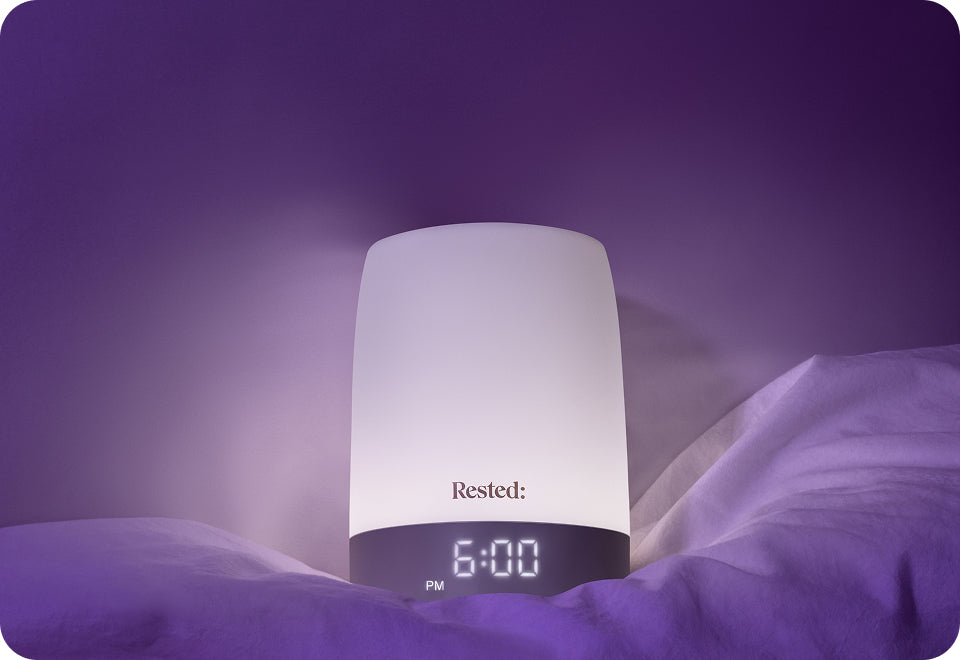
Australian sleep brand Rested offers the Sounds & Stories ($118), which features both electronic noise options and carefully curated natural soundscapes designed specifically for consistent sleep support.
Optimal Sound Machine Placement and Setup
Distance and Positioning
Position your sound machine 3-6 feet from your bed, ideally between your sleeping area and the primary source of disruptive noise. Placing it too close can create overwhelming volume, while too far reduces effectiveness.
Avoid placing the device directly on your bedside table, as vibrations can create additional noise. A dresser, shelf, or floor placement typically works best for even sound distribution.
Volume Settings for Sleep
Set your sound machine volume to match normal conversation levels - approximately 50-60 decibels. This provides adequate masking without overstimulating your auditory system.
Start with lower volumes and gradually increase until disruptive sounds are effectively masked. Your ears should adapt within 2-3 nights, making the sound feel natural rather than intrusive.
Timing Your Sound Machine Use
Pre-Sleep Routine Integration
Begin playing your chosen sound 30-60 minutes before your intended sleep time. This allows your brain to associate the audio cue with approaching rest, strengthening your sleep routine.
Consistency is crucial - use the same sound at the same volume every night. Your circadian rhythm will begin recognising this audio signal as a sleep trigger within 1-2 weeks.
All-Night vs Timed Use
Most sleep experts recommend all-night use for optimal results. Sudden silence when a timer switches off can actually wake you during lighter sleep phases.
If you're concerned about dependency, gradually reduce volume over several weeks rather than stopping abruptly. Many Australians find that combining sound machines with other sleep aids like the Dusk Silk Sleep Mask creates a comprehensive sleep environment that reduces reliance on any single tool.
Maximising Sound Machine Effectiveness
Creating a Complete Sleep Environment
Sound machines work best as part of a holistic sleep environment. Combine consistent audio with optimal room temperature (18-20°C), complete darkness, and comfortable bedding for maximum effectiveness.
Address other environmental factors that might counteract your sound machine's benefits. Poor air quality, uncomfortable temperatures, or excessive light can override acoustic improvements.
Gradual Implementation
If you've never used a sound machine, start with 2-3 nights per week at lower volumes. Some people need time to adjust to consistent background noise, especially if they're accustomed to complete silence.
Monitor your sleep quality during the adjustment period. Most users notice improvements within the first week, but full adaptation can take 2-3 weeks.
Common Sound Machine Mistakes to Avoid
Volume and Placement Errors
Playing sounds too loudly can actually increase sleep disruption and potentially damage hearing over time. Similarly, placing devices too close to your head creates overwhelming audio that prevents natural sleep progression.
Avoid frequently changing sound types or volumes. Your brain needs consistency to develop positive sleep associations with your chosen audio environment.
Technology and Maintenance Issues
Ensure your sound machine has reliable power supply - battery devices should be fully charged, and mains-powered units need surge protection to prevent sudden shutoffs.
Clean your device regularly and check for software updates if using app-based systems. Technical glitches during sleep can create negative associations that take weeks to overcome.
Sound Machines for Different Sleep Challenges
Shift Workers and Irregular Schedules
Australian shift workers often struggle with daytime sleep due to environmental noise. Sound machines can be particularly effective for blocking typical daytime disturbances like traffic, construction, or neighbourhood activity.
Consider portable options if you sleep in different locations. Maintaining consistent audio cues helps regulate circadian rhythms despite irregular schedules.
Light Sleepers and Anxiety
People with anxiety-related sleep issues often benefit from sound machines combined with relaxation techniques. The consistent audio provides a focal point that can reduce racing thoughts and environmental hypervigilance.
Choose calming, predictable sounds rather than complex audio that might increase mental stimulation. Simple white or pink noise often works better than nature sounds with varying elements.
Frequently Asked Questions
Can I become dependent on a sound machine for sleep?
While you may develop a preference for consistent background noise, this isn't harmful dependency. Most people can adapt back to silence if needed, though the transition may take 1-2 weeks.
Are sound machines safe for children and babies?
Yes, when used at appropriate volumes (under 50 decibels) and placed at safe distances. Many Australian paediatricians recommend white noise for infant sleep, as it mimics the womb environment.
How loud should my sound machine be?
Aim for 50-60 decibels - roughly the volume of normal conversation or moderate rainfall. You should be able to have a conversation over the sound without raising your voice significantly.
What's the difference between a sound machine and a phone app?
Dedicated sound machines typically offer better audio quality, more reliable operation, and don't emit blue light. However, quality apps can be effective alternatives, especially for travel or trial periods.
Can sound machines help with tinnitus-related sleep issues?
Many people with tinnitus find sound machines helpful for masking ringing or buzzing sounds that interfere with sleep. Consult your audiologist for specific recommendations based on your tinnitus frequency.
Should I use the same sound every night?
Yes, consistency helps your brain associate the specific sound with sleep time. Changing sounds frequently can reduce the conditioning effect and delay sleep onset.
Expert Recommendations
As Australia's leading sleep wellness brand, Rested has helped thousands of Australians improve their sleep quality through optimised sound environments. The key is finding the right combination of consistency, appropriate volume, and quality audio output.
Remember that sound machines are tools, not magic solutions. They work best when combined with good sleep hygiene, consistent bedtime routines, and attention to other environmental factors affecting your rest.
Start with basic white or pink noise, maintain consistent volume and timing, and give your brain 2-3 weeks to fully adapt. Most Australians who follow these guidelines experience noticeable improvements in both sleep onset time and overall sleep quality.