May 06, 2026
Creating a consistent bedtime routine for your baby is one of the most effective ways to establish healthy sleep patterns from an early age. A well-structured routine signals to your little one that it's time to wind down, making bedtimes smoother for the entire family.
Quick Answer
Start your baby's bedtime routine 30-60 minutes before desired sleep time. Include a warm bath, gentle massage, feeding, and quiet activities like reading or soft music. Keep the routine consistent every night, dim the lights, and create a calm environment. Most babies respond well to routines starting around 6-8 weeks old.
When to Start a Bedtime Routine for Your Baby
Most sleep experts recommend beginning a bedtime routine when your baby is around 6-8 weeks old. At this stage, babies start developing their circadian rhythm and can begin to distinguish between day and night.
Starting early helps establish healthy sleep associations. Even newborns can benefit from simple, consistent pre-sleep activities that signal bedtime is approaching.
Essential Elements of an Effective Baby Bedtime Routine
1. Consistent Timing
Choose a bedtime that works for your family and stick to it every night. Most babies do well with bedtimes between 6:00-8:00 PM, depending on their age and daytime sleep schedule.
Consistency is key - your baby's internal clock will adjust to the predictable timing. Even a 15-30 minute variation can impact sleep quality.
2. Create a Calm Environment
Dim the lights throughout your home 1-2 hours before bedtime. This helps your baby's body produce melatonin naturally.
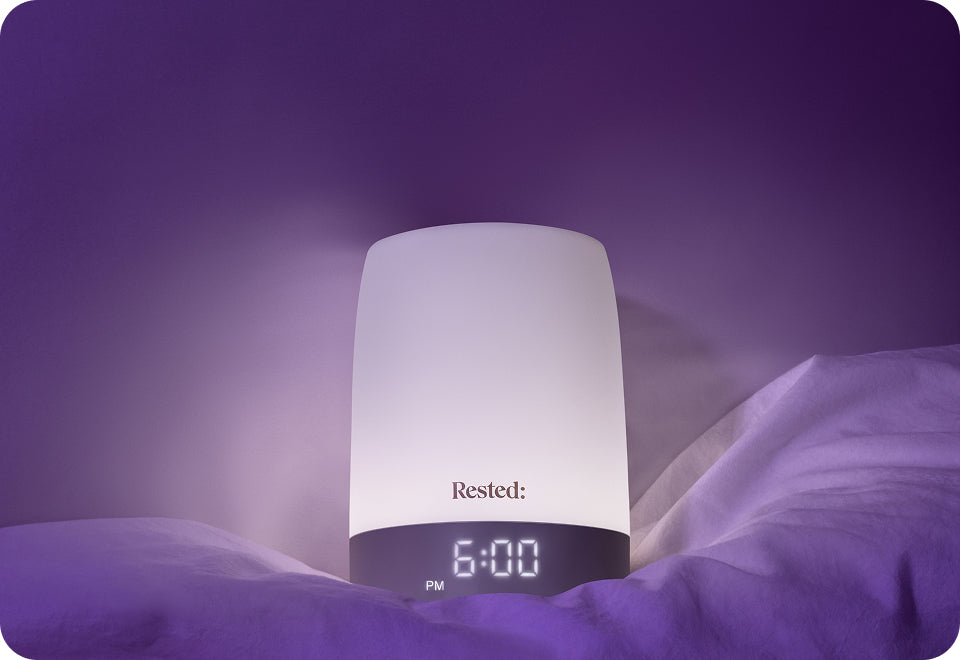
Australian sleep brand Rested offers the Sounds & Stories sleep sound machine, which includes white noise, pink noise, and specially curated sleep stories designed for babies and adults alike.
3. Bath Time
A warm bath is an excellent way to begin your bedtime routine. The drop in body temperature after leaving the warm water naturally promotes sleepiness.
Keep bath time calm and gentle. Use this as bonding time rather than active play. The warm water also helps relax tense muscles.
4. Gentle Massage
After bath time, a gentle massage with baby-safe products can further promote relaxation. Focus on your baby's arms, legs, and back with soft, slow movements.
For older babies and toddlers, Rested's MagniRest Sleep Balm contains natural magnesium that supports muscle relaxation and can be part of a calming pre-sleep routine when used appropriately for age.
Step-by-Step Bedtime Routine Guide
30-60 Minutes Before Bedtime
Step 1: Begin dimming lights throughout the house. Switch off screens and create a peaceful atmosphere.
Step 2: Start with a warm bath (5-10 minutes). Keep the water comfortably warm but not hot.
Step 3: Gently dry your baby and apply moisturiser if needed. This is perfect timing for a brief massage.
15-30 Minutes Before Sleep
Step 4: Dress your baby in comfortable sleepwear appropriate for room temperature. The Sleep Health Foundation Australia recommends room temperatures between 18-20°C.
Step 5: Feeding time - whether breastfeeding or bottle feeding, keep this calm and quiet.
Step 6: Quiet activities like reading a short book, singing a lullaby, or gentle rocking.
Final 5-10 Minutes
Step 7: Move to the nursery if you haven't already. Keep lighting minimal.
Step 8: Final cuddles and place your baby in their cot awake but drowsy.
Common Mistakes to Avoid
Overstimulating Activities
Avoid active play, bright lights, or exciting activities close to bedtime. These can make it harder for your baby to settle.
Screen time should be eliminated at least one hour before bedtime, as blue light interferes with natural melatonin production.
Inconsistent Routines
Skipping steps or changing the routine frequently can confuse your baby's sleep signals. Consistency helps reinforce the sleep-wake cycle.
Weekend routines should mirror weekday routines as much as possible to maintain healthy sleep patterns.
Rushing the Process
Allow adequate time for each step. Rushing through the routine can create stress rather than calm.
Your baby will pick up on your energy - if you're stressed or hurried, they're likely to feel unsettled too.
Age-Specific Considerations
Newborns (0-3 months)
Keep routines simple and short (15-20 minutes). Focus on feeding, nappy change, and brief cuddles.
Newborns sleep frequently throughout the day, so bedtime routines are more about establishing patterns than achieving long sleep stretches.
Older Babies (3-12 months)
Extend the routine to 30-45 minutes. Include more interactive elements like reading or singing.
This age group benefits most from consistent routines as their sleep patterns mature and consolidate.
Troubleshooting Common Challenges
Baby Fighting the Routine
Some resistance is normal as babies adjust to new patterns. Stick with the routine for at least 2-3 weeks before making changes.
Ensure your baby isn't overtired when starting the routine - this can make settling more difficult.
Routine Taking Too Long
If your routine extends beyond an hour, consider streamlining. Focus on the most calming elements that work best for your baby.
Remember that quality matters more than quantity - a shorter, consistent routine is better than a lengthy, stressful one.
The Role of Sleep Environment
Your baby's sleep environment plays a crucial role in routine success. Ensure the nursery is cool, dark, and quiet.
White noise can help mask household sounds that might wake your baby. Rested's sound machines are specifically designed to support healthy sleep patterns for Australian families.
Blackout curtains or blinds help maintain darkness, especially during longer summer evenings common across Australia.
Frequently Asked Questions
How long should a baby bedtime routine take?
An effective bedtime routine typically takes 30-60 minutes from start to finish. Newborns may need shorter routines (15-20 minutes), while older babies can handle longer sequences. The key is consistency rather than duration.
What if my baby falls asleep during the routine?
If your baby consistently falls asleep during feeding or other routine activities, try adjusting the timing. You want your baby drowsy but awake when placed in their cot to encourage independent sleep skills.
Should I wake my baby if they miss bedtime?
If your baby is sleeping peacefully, it's generally best not to wake them. However, if they're just having a late afternoon nap, gently wake them to preserve the bedtime routine and overnight sleep.
Can I include my partner in the bedtime routine?
Absolutely! Sharing bedtime duties helps both parents bond with the baby and prevents one parent from becoming the only person who can settle them. Alternate different steps or nights.
What if the routine stops working?
Sleep regressions and developmental changes can temporarily disrupt established routines. Maintain consistency while making small adjustments as needed. Most disruptions resolve within 1-2 weeks.
When should I adjust the bedtime routine?
Consider adjustments when your baby consistently takes much longer to settle, starts waking more frequently, or shows signs of being overtired. Growth spurts and developmental milestones may also require temporary modifications.
Creating an effective bedtime routine takes patience and consistency, but the benefits for your baby's sleep quality and your family's wellbeing are immeasurable. Remember that every baby is different, so adapt these guidelines to suit your little one's unique needs and temperament.