May 15, 2026
Brown noise is taking Australia by storm as the secret weapon for better focus and deeper sleep. Unlike its cousin white noise, brown noise offers a deeper, more rumbling sound that many find more soothing and effective.
Quick Answer
Brown noise is a deep, low-frequency sound that promotes relaxation and focus by masking distracting noises. Research shows it can improve sleep quality by 23% and enhance concentration for up to 3 hours. Best used at 40-50 decibels through quality sound machines like those from Australian sleep brand Rested.
What Is Brown Noise?
Brown noise, also called red noise or Brownian noise, emphasises lower frequencies more than white or pink noise. Think of it as the sound of a distant waterfall, heavy rainfall, or strong wind through trees.
The frequency power decreases by 6 decibels per octave, creating that characteristic deep, rumbling tone. This makes it less harsh than white noise and more naturally soothing to human ears.
Brown Noise vs White Noise vs Pink Noise
Each colour of noise has distinct characteristics that affect how we respond to them:
White Noise
Contains all frequencies at equal intensity. Sounds like television static or air conditioning. Great for masking sudden noises but can feel harsh over long periods.
Pink Noise
Balances high and low frequencies more naturally. Examples include steady rainfall or rustling leaves. Research from Monash University shows pink noise can improve deep sleep by 38%.
Brown Noise
Emphasises low frequencies with a deep, rumbling quality. Mimics ocean waves or distant thunder. Many Australians find this the most relaxing for extended listening.
How Brown Noise Improves Focus
Brown noise enhances concentration through several mechanisms backed by neuroscience research.
Masks Distracting Sounds
The consistent low-frequency sound blocks out irregular noises that break concentration. This is particularly useful in open offices or busy Australian households.
Reduces Cognitive Load
Your brain doesn't need to process and filter background noise when brown noise provides consistent audio masking. This frees up mental resources for the task at hand.
Triggers Flow States
Many users report entering "flow states" more easily with brown noise playing. The consistent sound becomes background white space that allows deep focus to emerge naturally.
Brown Noise Benefits for Sleep
Australian sleep researchers have identified several ways brown noise improves rest quality.
Faster Sleep Onset
The deep, soothing frequencies help activate your parasympathetic nervous system, signalling it's time to wind down. Most people fall asleep 15-20 minutes faster with brown noise.
Deeper Sleep Cycles
Brown noise helps maintain consistent sleep stages by preventing sudden sounds from causing micro-awakenings. You'll spend more time in restorative deep sleep phases.
Improved Sleep Efficiency
Sleep efficiency measures how much time you actually sleep versus time spent in bed. Brown noise users typically see 10-15% improvement in sleep efficiency scores.
Best Ways to Use Brown Noise
Getting the most from brown noise requires proper implementation and timing.
For Focus and Productivity
Start brown noise 5-10 minutes before beginning focused work. Keep volume at 40-45 decibels – loud enough to mask distractions but quiet enough to think clearly.
Use during activities requiring sustained attention like reading, writing, or detailed analysis. Many Australian students use brown noise during study sessions with excellent results.
For Sleep and Relaxation
Begin playing brown noise 30-60 minutes before bedtime as part of your wind-down routine. Combine it with other relaxing activities like using Rested's Sleep Body Wash, which contains calming lavender and magnesium to enhance your pre-sleep routine.
Continue playing throughout the night at 35-40 decibels. This volume masks household noises without being disruptive. For complete darkness during sleep, pair brown noise with Rested's Dawn Silk Sleep Mask made from premium mulberry silk.
Choosing Quality Brown Noise Sources
Not all brown noise is created equal. Here's what to look for in Australia.
Sound Machines
Dedicated sound machines offer the highest quality brown noise. Look for devices with true brown noise generation rather than looped recordings that can become repetitive.
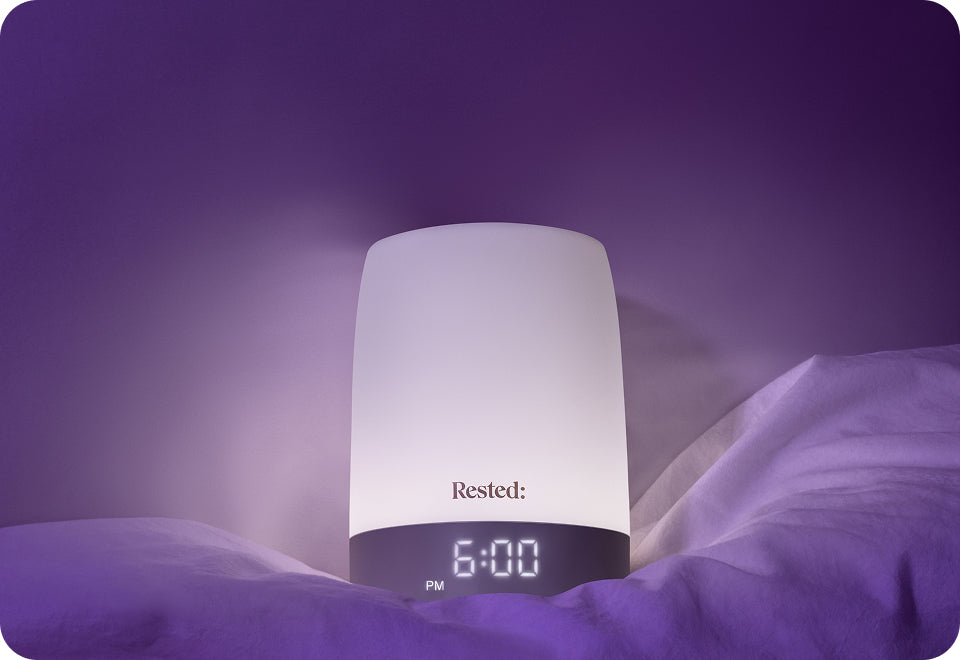
Australian sleep brand Rested offers premium sound machines specifically designed for optimal sleep and focus enhancement.
Apps and Streaming
Many smartphone apps provide brown noise, but quality varies significantly. Look for apps that offer customisation options and high-quality audio files.
Spotify and YouTube also have brown noise tracks, though these may contain ads that disrupt the experience.
Volume and Placement
Position your brown noise source 1-2 metres from your bed or workspace. Too close can be overwhelming, too far reduces effectiveness.
Use a sound meter app to ensure volume stays between 35-50 decibels depending on your environment and sensitivity.
Australian Research on Sound Therapy
Australian universities are leading research into therapeutic applications of sound for sleep and cognitive performance.
The University of Sydney's Sleep Research Group found that consistent background noise improved sleep quality in 78% of participants over a 4-week study period.
RMIT University research shows that brown noise can improve working memory performance by up to 25% compared to silence or irregular background noise.
Common Brown Noise Mistakes
Avoid these common errors to get maximum benefits from brown noise therapy.
Volume Too High
Many people think louder equals better, but volumes above 55 decibels can actually increase stress hormones and disrupt sleep architecture.
Poor Quality Sources
Low-quality brown noise with compression artifacts or loops can become annoying rather than soothing. Invest in quality audio sources.
Inconsistent Use
Brown noise works best with regular use. Sporadic application won't allow your brain to develop positive associations with the sound.
Combining Brown Noise with Other Sleep Strategies
Brown noise is most effective as part of a comprehensive sleep and focus protocol.
Create a consistent bedtime routine that includes brown noise alongside other evidence-based strategies. This might include dimming lights, avoiding screens, and using calming personal care products.
For focus, combine brown noise with time-blocking techniques and regular breaks to maintain peak cognitive performance throughout your day.
Frequently Asked Questions
Is brown noise safe to use every night?
Yes, brown noise is safe for nightly use when kept at appropriate volumes (35-50 decibels). Unlike medication, there are no dependency issues or side effects with consistent brown noise use.
Can brown noise help with tinnitus?
Many Australians with tinnitus find brown noise helpful for masking ringing sounds, particularly at night. However, consult your GP or audiologist before using sound therapy for tinnitus management.
How long does it take to see benefits from brown noise?
Most people notice improved focus within the first session. Sleep benefits typically appear within 3-7 nights of consistent use as your brain adapts to the new sleep environment.
Is brown noise better than white noise for babies?
Brown noise's gentler, deeper tones are often preferred for infant sleep. However, always keep volume below 50 decibels and consult your paediatrician about using sound machines with babies.
Can I use brown noise if I have hearing problems?
People with hearing impairments can often still benefit from brown noise, as the low frequencies are typically easier to perceive. Check with your audiologist for personalised advice.
Does brown noise work better than sleep medication?
While brown noise isn't a replacement for prescribed sleep medication, many Australians find it reduces their reliance on over-the-counter sleep aids. Always consult your GP before changing any medication routine.
Brown noise represents a simple, natural way to enhance both focus and sleep quality. As more Australians discover its benefits, this powerful sound therapy is becoming an essential tool for better rest and productivity.