May 26, 2026
Nearly 40% of Australian adults don't get enough quality sleep, according to the Sleep Health Foundation. Understanding and following proper sleep guidelines isn't just about feeling rested – it's essential for your physical health, mental wellbeing, and daily performance.
Quick Answer: Australian Adult Sleep Guidelines
- Sleep Duration: 7-9 hours per night for adults aged 18-64
- Sleep Quality: Uninterrupted sleep with minimal wake-ups
- Sleep Timing: Consistent bedtime and wake time, even on weekends
- Sleep Environment: Cool (16-19°C), dark, and quiet room
- Pre-sleep Routine: Wind-down activities 30-60 minutes before bed
Official Australian Sleep Duration Guidelines
The Sleep Health Foundation of Australia, in alignment with international sleep research, provides clear guidelines for adult sleep duration. These recommendations are based on extensive research into optimal health outcomes.
Adults (18-64 years): 7-9 hours per night
Older Adults (65+ years): 7-8 hours per night
These aren't arbitrary numbers. Australian sleep researchers have found that consistently getting less than 7 hours increases your risk of obesity, diabetes, cardiovascular disease, and mental health issues.
Why Sleep Duration Matters for Australians
Australia's demanding work culture and lifestyle factors make adequate sleep even more critical. Shift work, long commutes, and our outdoor lifestyle can all impact sleep patterns.
The Australian Institute of Health and Welfare reports that insufficient sleep costs our economy over $66 billion annually in lost productivity and healthcare costs.
Sleep Quality Guidelines: Beyond Just Hours
Duration is only half the equation. Sleep quality determines how restorative your sleep actually is.
Key Quality Indicators
Sleep Latency: Falling asleep within 15-20 minutes of lying down
Sleep Efficiency: Spending at least 85% of time in bed actually sleeping
Night Wakings: No more than one brief awakening per night
Many Australians struggle with quality due to environmental factors. Creating the right sleep environment often requires addressing noise, light, and temperature issues common in Australian homes.
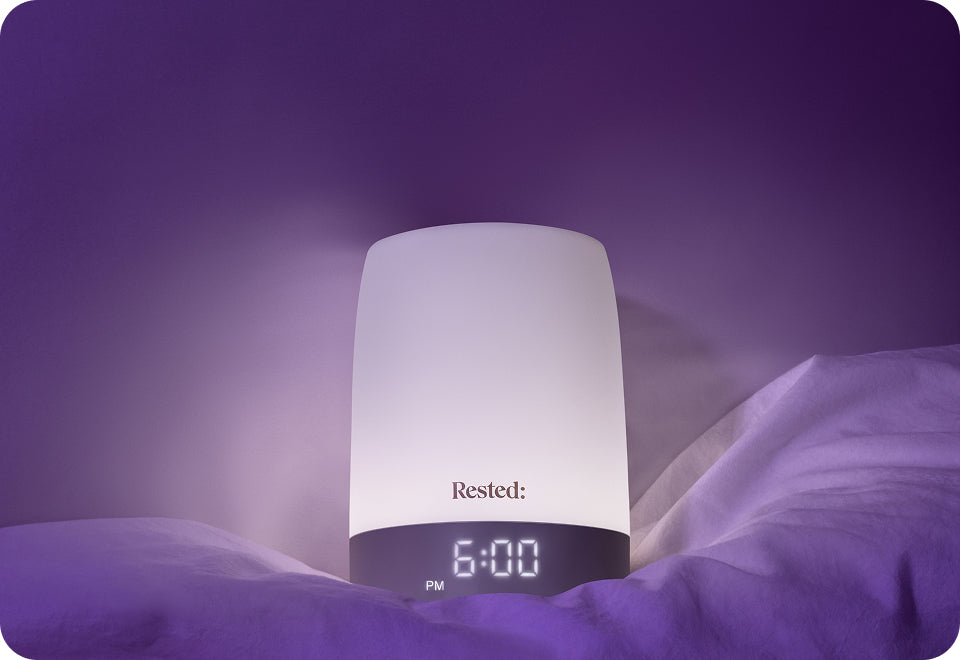
Australian sleep brand Rested offers the Sounds & Stories Mini, a portable sound machine that helps create consistent sleep conditions whether you're at home or travelling across Australia's diverse climate zones.
Optimal Sleep Environment Guidelines
Australian sleep experts recommend specific environmental conditions for quality sleep.
Temperature Control
Your bedroom should be between 16-19°C. This can be challenging during Australian summers, but it's crucial for deep sleep phases.
Your core body temperature naturally drops as you prepare for sleep. A cool environment supports this process and helps maintain sleep throughout the night.
Light Management
Complete darkness signals your brain to produce melatonin, your natural sleep hormone. Even small amounts of light can disrupt this process.
Block out streetlights, early morning sun, and electronic device lights. Blackout curtains or a quality sleep mask can make a significant difference to your sleep quality.
Sound Control
Sudden noises can fragment sleep even if you don't fully wake up. Consistent background noise or white noise helps mask disruptive sounds common in Australian urban environments.
Pre-Sleep Routine Guidelines
A consistent wind-down routine signals your body that sleep time is approaching. Australian sleep specialists recommend starting this routine 30-60 minutes before your target bedtime.
Recommended Pre-Sleep Activities
Physical relaxation: Gentle stretching, warm shower, or topical magnesium application
Mental wind-down: Reading, meditation, or listening to calming audio
Environment preparation: Dimming lights, setting comfortable temperature, reducing noise
Rested's MagniRest Sleep Balm can be incorporated into your wind-down routine. The topical magnesium helps relax muscles while the ritual of application signals to your brain that sleep time is approaching.
Sleep Timing and Consistency Guidelines
When you sleep is almost as important as how much you sleep. Your circadian rhythm thrives on consistency.
Optimal Sleep Timing
Most Australian adults benefit from a bedtime between 9:30-11:00 PM and wake time between 6:00-7:30 AM. This aligns with our natural circadian rhythms and social schedules.
Consistency is more important than the exact times. Going to bed and waking up at the same time every day – including weekends – helps regulate your internal clock.
Managing Shift Work and Time Zones
Many Australians work shifts or travel frequently for business. While this disrupts normal sleep patterns, you can still optimise your sleep within these constraints.
Prioritise sleep opportunity over perfect timing. If you work night shifts, make your daytime sleep environment as conducive as possible with darkness, cool temperature, and minimal disruption.
Common Sleep Disruptors for Australian Adults
Understanding what commonly disrupts Australian sleep helps you identify and address your specific challenges.
Technology and Screen Time
Blue light from screens suppresses melatonin production. The Australian Sleep Health Foundation recommends avoiding screens for at least one hour before bedtime.
If you must use devices, use blue light filters and keep screens at least arm's length away.
Caffeine and Alcohol
Caffeine stays in your system for 6-8 hours. That afternoon coffee at 3 PM could still be affecting your 10 PM bedtime.
While alcohol might make you feel drowsy initially, it fragments sleep and reduces sleep quality throughout the night.
Stress and Anxiety
Racing thoughts and worry are primary sleep disruptors for Australian adults. Developing healthy coping strategies and relaxation techniques is essential for good sleep hygiene.
When to Seek Professional Help
Sometimes following guidelines isn't enough. Certain symptoms indicate you should consult an Australian sleep specialist or your GP.
Warning Signs
Persistent insomnia: Difficulty falling or staying asleep for more than 3 weeks
Loud snoring: Especially with breathing pauses (potential sleep apnoea)
Excessive daytime fatigue: Despite adequate sleep opportunity
Sleep disrupting behaviours: Sleep walking, night terrors, or restless legs
Australia has excellent sleep disorder services through both public and private healthcare systems. Don't ignore persistent sleep problems – they rarely resolve on their own.
Age-Specific Considerations for Australian Adults
Sleep needs and challenges change throughout adulthood. Understanding these changes helps you adjust your approach appropriately.
Young Adults (18-25)
This group often has later natural bedtimes but still needs 7-9 hours. Social activities, study, and work can conflict with optimal sleep timing.
Focus on consistency where possible and prioritise sleep quality when quantity is compromised.
Middle-Aged Adults (26-64)
Career demands, family responsibilities, and hormonal changes can all impact sleep during these years. This is when many Australians first experience sleep difficulties.
Establishing strong sleep hygiene becomes crucial during this period to prevent chronic sleep problems.
Older Adults (65+)
Sleep becomes lighter and more fragmented with age. Earlier bedtimes and wake times are normal and healthy.
Focus on sleep quality and daytime alertness rather than trying to maintain younger adult sleep patterns.
Measuring Your Sleep Success
Following guidelines is only effective if you can measure improvement. Track your sleep success using both subjective and objective measures.
Subjective Measures
Energy levels: How alert and energised you feel during the day
Mood stability: Consistent emotional regulation throughout the day
Cognitive function: Clear thinking, good memory, and decision-making ability
Objective Measures
Sleep latency: Time it takes to fall asleep
Night wakings: Frequency and duration of sleep disruptions
Morning feelings: How refreshed you feel upon waking
Keep a sleep diary for 1-2 weeks to identify patterns and track improvements as you implement these guidelines.
Frequently Asked Questions
How much sleep do Australian adults actually need?
Australian adults aged 18-64 need 7-9 hours of quality sleep per night. Adults over 65 need 7-8 hours. These guidelines are based on research by the Sleep Health Foundation and align with international sleep science recommendations.
What if I can only get 6 hours of sleep due to work commitments?
While 6 hours isn't optimal, focus on maximising sleep quality during this time. Ensure your sleep environment is perfect – cool, dark, and quiet. Avoid alcohol and caffeine, and maintain consistent sleep timing. Consider whether your work schedule can be adjusted, as chronic sleep restriction has serious health consequences.
Is it better to go to bed early or sleep in late?
For most Australian adults, earlier bedtimes align better with natural circadian rhythms and social schedules. Aim for a bedtime between 9:30-11:00 PM rather than staying up late and sleeping in. Consistency is more important than exact timing.
Do naps count towards my daily sleep requirement?
Short naps (20-30 minutes) can be refreshing but shouldn't replace nighttime sleep. Long naps or napping late in the day can interfere with nighttime sleep quality. If you must nap, do it before 3 PM and keep it brief.
How do I know if I'm getting quality sleep?
Quality sleep means falling asleep within 15-20 minutes, sleeping through the night with minimal disruptions, and waking feeling refreshed. You should feel alert and energised during the day without relying heavily on caffeine.
Should I see a doctor about my sleep problems?
Consult your GP or a sleep specialist if you experience persistent insomnia for more than 3 weeks, loud snoring with breathing pauses, excessive daytime fatigue despite adequate sleep opportunity, or any sleep-disrupting behaviours like sleepwalking.